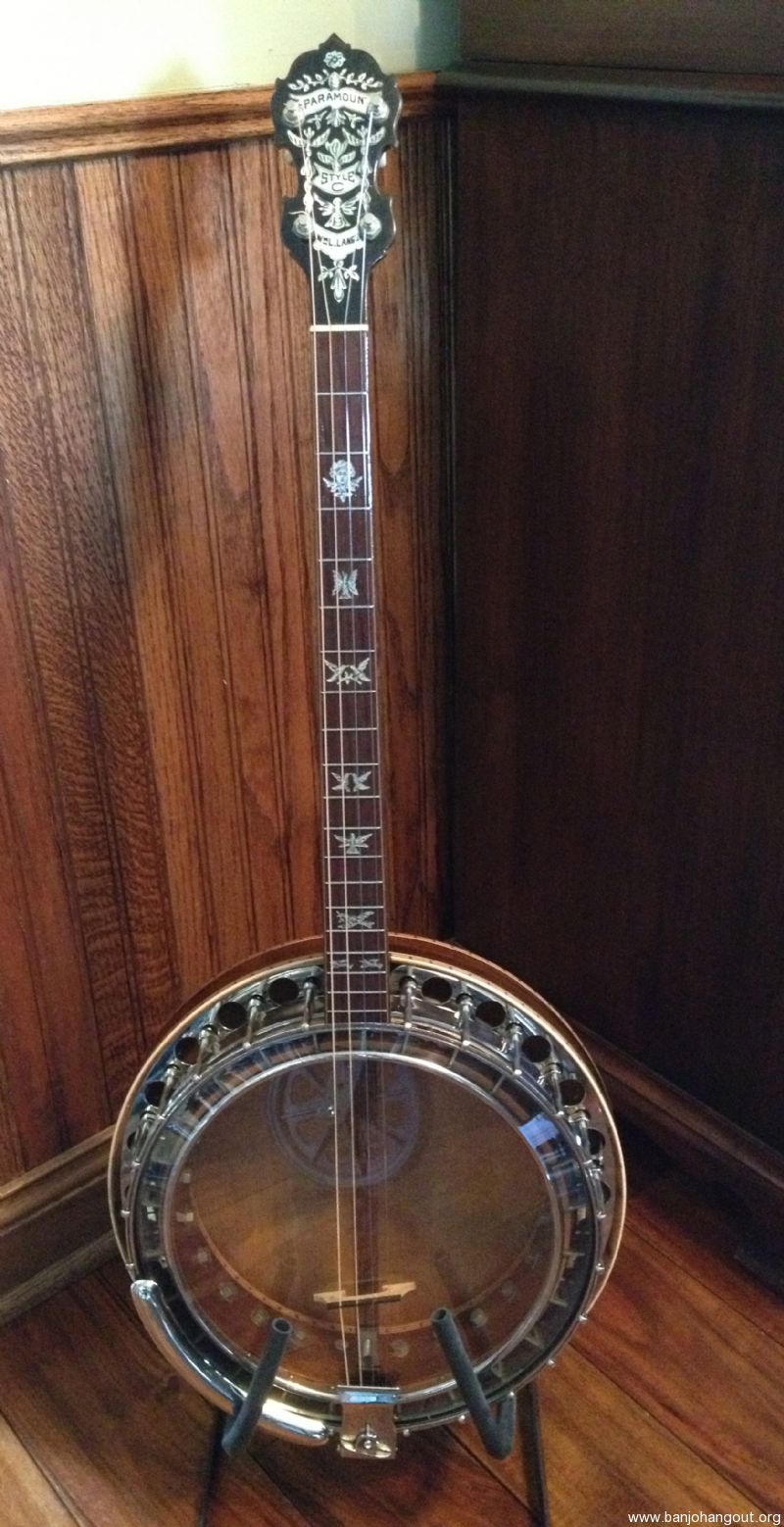
- Old 60's Silvertone Guitar (info Needed?) | The Gear Page
- Silvertone Serial Number Search
- Univox Lucite Guitar?
- See Full List On Allengelhard.com
- Serial number 30918615 All original parts. Tuners turn smoothly. Silvertone 1446 (sometiems referred as 1446L, or the Chris Isaak model) comes equipped with a.
- Most acoustic Harmony instruments have a serial number stamped on the inside of the body (tone chamber). The mark will look something like 4533H1215, The 4533 represents the production number, the H stands for Harmony of course, the 1215 is the model number. Serial numbers are harder to find on electric models.
- Silvertone A brand we associate with the parent company Sears. Silvertone branded radios were built for Sears over their long history, by nearly every recogonizable manufacturer including Detrola, Stewart Warner and Colonial to name a few. Some models are recognized as perhaps among of the most collectable radios seen and sold.
Old 60's Silvertone Guitar (info Needed?) | The Gear Page
It has been 30 years since Sears ended its association with the Silvertone brand, but the public's association is so strong to this day that many still believe Silvertone is a Sears brand. It is a testament to the success and quality of Sears' Silvertone products that the public still associates the two names so closely. The Sears Silvertone radio and Silvertone guitar, two highly collectible items today, are largely responsible for America's fond recollection of the Sears-Silvertone connection.Silvertone Archtop Acoustic Guitars. Sears, Roebuck and Co. Introduced the Silvertone brand in 1915 expanding the product line to guitars in the 1930s—the first solid body guitar appearing in 1954. The 1457 amp-in-a-case model built by Danelectro for Silvertone paved the way for amplifiers like the 1482 and 1483. Hi, I have a Silvertone Sax with the serial number 408216. I would like to know the approximate age. I have discovered that these were made by Sears and called Stencil because different companies made them. From the picture can you determine the maker.

In 1915, Sears introduced the Silvertone phonograph, a hand-cranked machine that came in tabletop and freestanding models. All phonographs came with a two-week, money-back guarantee.
Sears began selling Silvertone radios in the early 1920s, soon adding Silvertone radio tubes and batteries to the product line. In the late 1930s, however, Silvertone radios quickly took off in popularity. The era corresponded with the outbreak of military aggressions in the Pacific theater. With the approach of World War II, increasing numbers of people wanted radios not just for entertainment, but also to receive updates on the war's progress, according to contemporary company sales analyses.
During World War II, Sears introduced the Silvertone radio antenna with 'stratobeam reception.' And to help power the radios, Sears sold Silvertone wind generators.
Today, the Internet is filled with pages of Sears Silvertone radio collections and information about the antique radios. Their designs, particularly the stylish use of plastic casing, continue to be very popular among radio collectors.
The Silvertone name replaced the Supertone brand on musical instruments in the 1930s. Struggling blues musicians of the 1940s and 1950s first popularized the Silvertone guitar, with legends such as Muddy Waters and Arthur 'Big Boy' Crudup among those who played Silvertones.
Silvertone Serial Number Search
The Sears Silvertone guitar really made its mark in music history as the unofficial 'first guitar' of guitar's icons. Chet Atkins, Bob Dylan and Jimi Hendrix, among many others, played their first chords on a Sears Silvertone. Sears' guitars have even been immortalized by their mention in songs from artists as diverse as Mary Chapin Carpenter ('Girls With Guitars') and G. Love and Special Sauce ('Blues Music').
Univox Lucite Guitar?
Silvertones were popular with young musicians because of their solid construction and inexpensive pricing. Their legacy lives on today as literally hundreds of Internet pages are filled with fond recollections from people of their first guitar, the Sears Silvertone. As with the Silvertone radio, Sears Silvertone guitars are considered prized pieces of many guitar collections, particularly models such as the 1963 'amp-in-case' guitar, which featured an amplifier built into the guitar's carrying case.
Many other musical and audio items bore the Silvertone brand name. Sears introduced a Silvertone record label in the 1920s, featuring many of the era's most popular recording artists. In the 1950s and early 1960s, the Silvertone brand name appeared on all Sears electronic equipment, including console televisions, tape recorders, walkie-talkies, radio batteries, hearing aids and car radios.
See Full List On Allengelhard.com
By the end of the 1960s, the Silvertone brand name was only appearing on musical instruments and the top-of-the-line stereo equipment and televisions. Silvertone products last appeared in the spring 1972 catalog on televisions and stereo systems.